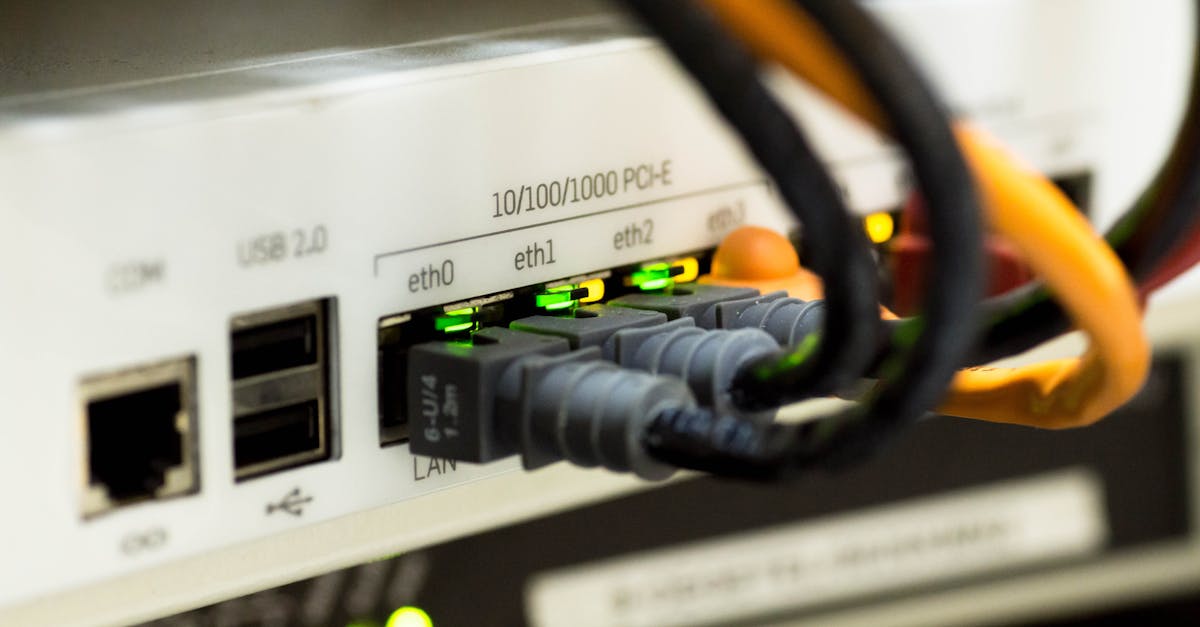
In a world where toasters can tweet and fridges can order groceries, the Internet of Things (IoT) has transformed everyday life into a tech-savvy playground. But with great convenience comes great responsibility—especially when it comes to security. As smart devices multiply faster than rabbits, so do the challenges of keeping them safe from prying eyes and sneaky hackers.
Table of Contents
ToggleOverview of IoT Security Challenges
Increasing connectivity of devices introduces significant security risks. Each device connected to the Internet presents a potential entry point for cyber attackers. Common vulnerabilities include inadequate authentication protocols that allow unauthorized access. Furthermore, lack of encryption often leaves sensitive data exposed during transmission.
Device manufacturers frequently prioritize functionality over security. Many IoT devices have outdated software, which makes them susceptible to known exploits. Neglecting regular updates compounds this risk, creating a landscape where attackers can easily target unprotected devices.
Privacy concerns also arise as IoT devices gather and transmit personal data. Information collected without proper user consent poses ethical dilemmas and regulatory issues. The lack of transparency regarding data usage can erode consumer trust.
Additionally, the sheer volume of connected devices complicates security management. Organizations struggle to monitor and protect numerous devices effectively. Coordinating updates and patches across diverse systems often proves challenging.
Regulatory compliance represents another hurdle for IoT security. Different regions enforce unique standards, requiring organizations to navigate varying regulations. Adhering to these requirements demands consistent effort and resources.
Cross-device communication further amplifies security risks. Data exchanges between devices may not always be secured, leading to potential interception. As devices communicate more autonomously, weak links in one device can compromise the entire network.
Addressing these challenges necessitates a multi-layered security approach. Implementing strong authentication methods and encryption can significantly mitigate risks. Organizations should also prioritize regular software updates to safeguard against vulnerabilities. Overall, securing IoT environments requires vigilance and proactive measures.
Common Vulnerabilities in IoT Devices
IoT devices often face numerous vulnerabilities that can be exploited by cyber attackers. Two critical areas of concern are insecure communication protocols and weak authentication mechanisms.
Insecure Communication Protocols
Many IoT devices utilize insecure communication protocols, which allow data to be transmitted without adequate safeguards. Unencrypted data streams are particularly vulnerable to interception, so attackers can easily access sensitive information. Without secure protocols in place, the risk of unauthorized access to systems increases significantly. Devices that communicate through unprotected channels may expose personal data to third-party entities. Ensuring devices utilize well-established secure communication protocols, like HTTPS or MQTT with TLS, assists in protecting data integrity and confidentiality.
Weak Authentication Mechanisms
Weak authentication mechanisms present another significant vulnerability in IoT devices. Many manufacturers fail to implement robust authentication methods, leaving devices susceptible to unauthorized access. Common practices like default passwords or easy-to-guess credentials exacerbate this issue. Without strong authentication, attackers can easily gain control over connected devices and their networks. Employing multi-factor authentication or unique user credentials enhances security and deters unauthorized access attempts. Organizations must prioritize security by establishing stringent authentication measures for all IoT devices.
Impact of IoT Security Challenges
The impact of IoT security challenges extends beyond technical issues. Increased privacy concerns arise as connected devices often gather personal information without user awareness or consent.
Data Privacy Risks
Users face significant data privacy risks with IoT devices. Many smart devices collect sensitive information, including location, health data, and social interactions, which can be exposed during security breaches. Inadequate encryption methods often lead to unauthorized access, making personal data vulnerable. Numerous incidents have shown how attackers exploit weak privacy protections to steal data, leading to identity theft and fraud. Regulatory bodies impose strict data protection standards, but many IoT devices fall short, complicating compliance.
Potential Financial Losses
Organizations confront potential financial losses due to inadequate IoT security measures. Cyberattacks can lead to substantial expenses, including direct losses from data breaches and indirect costs like reputational damage and regulatory fines. Estimates suggest that the global economic impact of IoT security breaches could reach billions each year. Companies face disruptions during recovery efforts, causing financial strain and loss of customer trust. Effective IoT security investments not only reduce these risks but also limit exposure to costly incidents.
Strategies to Mitigate IoT Security Challenges
Addressing IoT security challenges requires specific strategies that focus on enhancing device protection and data integrity.
Implementing Stronger Security Protocols
Adopting stronger security protocols safeguards data exchanged between devices. Ensuring all IoT devices use secure communication standards, such as HTTPS and MQTT with TLS, enhances confidentiality. Employing end-to-end encryption prevents unauthorized access to sensitive information. Additionally, integrating strong authentication mechanisms, including two-factor authentication, secures user identities and device access. Many devices still rely on default credentials, leaving them vulnerable; changing these initial settings significantly decreases risk exposure. Manufacturers need to prioritize security features from the design phase, creating a foundation for secure IoT ecosystems.
Regular Software Updates and Patching
Conducting regular software updates significantly improves device security by addressing known vulnerabilities. Manufacturers must develop a reliable schedule for patching outdated software, reducing potential attack vectors. Devices connected to the internet require timely updates to ensure all security flaws are promptly addressed. Users should enable automatic updates when available, ensuring optimal protection against emerging threats. Implementing a centralized management system for monitoring device updates streamlines this process for organizations. Prioritizing software maintenance enables a proactive defense against the evolving landscape of cyber threats within the IoT environment.
Future Trends in IoT Security
Emerging trends in IoT security highlight the ongoing evolution of protective measures against cyber threats. Increased adoption of artificial intelligence and machine learning facilitates real-time threat detection, allowing systems to identify anomalies proactively. Privacy-preserving technologies, such as differential privacy, gain traction, enabling organizations to analyze data without compromising user confidentiality.
Enhanced security frameworks are essential as the number of connected devices continues to surge. Zero-trust models become more prominent, ensuring that all devices and users are verified before any access is granted. As organizations prioritize data integrity, innovative approaches are developed to secure device communications, including identity management solutions that verify the identities of devices through blockchain technology.
Compliance with regulatory standards influences future IoT security strategies. Organizations incorporate privacy regulations, such as GDPR and CCPA, into their security frameworks to safeguard personal information. Increased emphasis on achieving compliance fosters a culture of accountability among manufacturers, convincing them to prioritize security features during the design phase of IoT devices.
Collaboration among industry stakeholders plays a crucial role in addressing security challenges. Public-private partnerships form to establish best practices and guidelines, ensuring a unified approach to IoT security. Education and awareness campaigns target end-users to improve their understanding of potential risks, encouraging them to adopt secure practices for device usage.
In addition, the integration of biometrics for authentication becomes a more common practice. Multifactor authentication that includes biometric options mitigates risks associated with weak passwords. Organizations enhance their security posture significantly by adopting these forward-thinking strategies, preparing themselves for a landscape filled with evolving threats.
Addressing IoT security challenges is essential for ensuring the safety and privacy of users in an increasingly connected world. As the number of devices continues to grow, so do the complexities of safeguarding them against cyber threats. Implementing robust security measures and promoting awareness among manufacturers and users can significantly reduce vulnerabilities.
The future of IoT security lies in adopting advanced technologies and collaborative strategies. By prioritizing security from the design phase and staying updated on regulatory requirements, stakeholders can foster a safer IoT ecosystem. A proactive approach combined with continuous education will help mitigate risks and protect sensitive data in this ever-evolving digital landscape.