
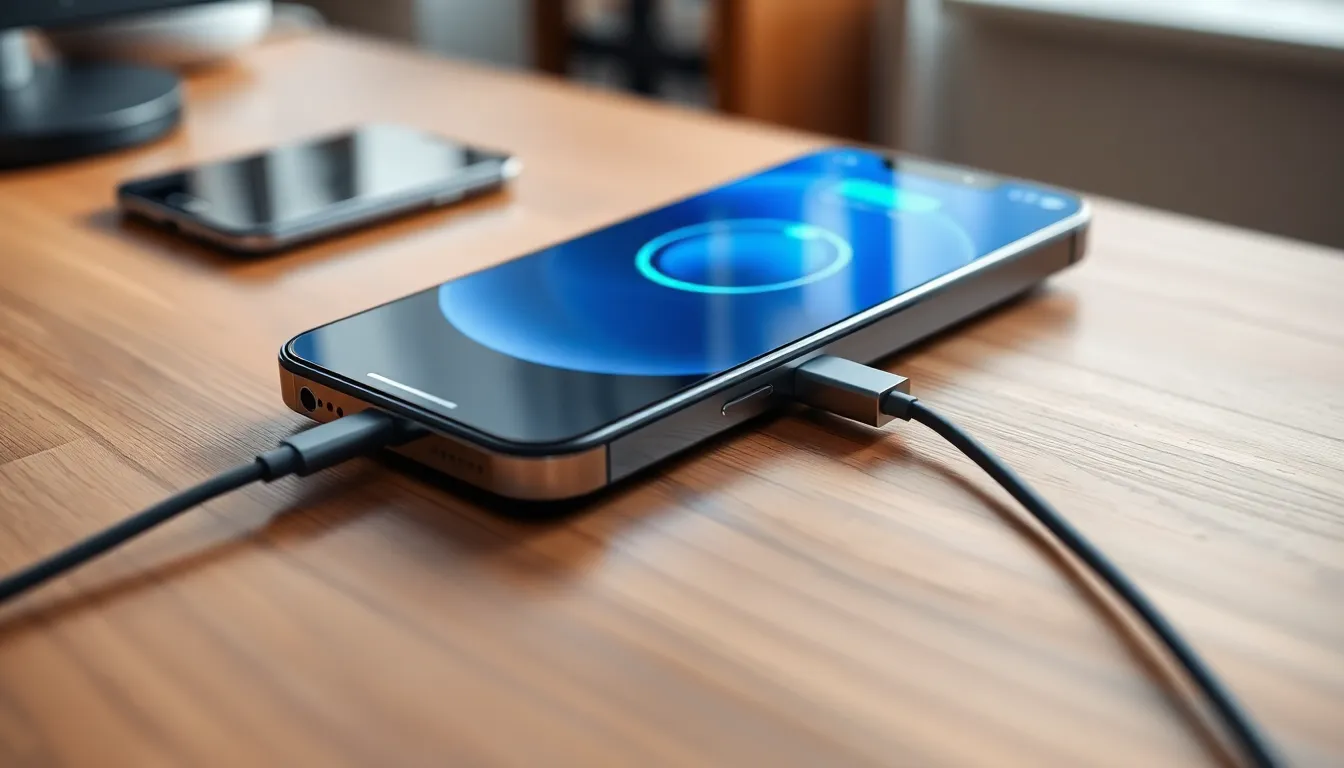
The iPhone 15 Pro Max is a marvel of modern technology, but it seems even the best can have a few quirks. If you’ve noticed your shiny new device turning into a mini sauna while charging, you’re not alone. Many users are left scratching their heads, wondering if their phone is preparing for a tropical vacation or just overworking itself.
While a little warmth is normal, excessive heat can raise eyebrows and concerns about performance and battery life. Is it a sign of a larger issue or just Apple’s way of saying, “Hey, I’m working hard here!”? Dive into this article to uncover the reasons behind this sizzling phenomenon and discover tips to keep your iPhone cool as a cucumber while it powers up.
Overview of iPhone 15 Pro Max
iPhone 15 Pro Max presents advanced features within the smartphone market. This model showcases a 6.7-inch Super Retina XDR display, offering vibrant colors and impressive resolution. Equipped with the A17 Pro chip, users experience faster performance and enhanced graphics capabilities, ideal for gaming and multitasking.
Battery life becomes crucial for the iPhone 15 Pro Max. With a robust battery, it provides up to 29 hours of talk time, ensuring users stay connected throughout their day. Charging efficiency remains a focal point, although some users report overheating during this process.
The device supports fast charging up to 20W. Owners can recharge their battery to 50% in around 30 minutes using a compatible charger. Despite this rapid charging capability, excessive heat can be concerning. It may impact the overall longevity and effectiveness of the battery.
Camera performance enhances user experience. A triple-camera system includes a 48MP wide lens, 12MP ultra-wide lens, and a 12MP telephoto lens, providing versatility for photography enthusiasts. This advanced system includes options for Night mode and Deep Fusion, ensuring high-quality images in various conditions.
In terms of design, the iPhone 15 Pro Max sports a polished titanium frame, making it both durable and lightweight. The ceramic shield front cover adds extra toughness against scratches and drops. This sleek design combined with powerful features positions the iPhone 15 Pro Max as a key player in the premium smartphone category.
Overall, the iPhone 15 Pro Max blends high performance with cutting-edge technology, catering to users seeking a powerful and stylish device.
Common Charging Issues
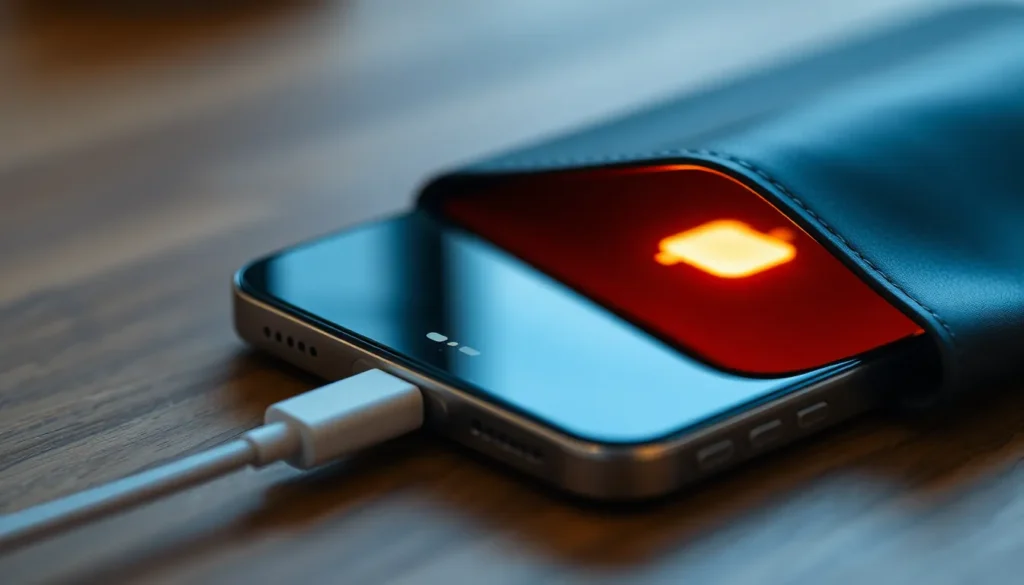
Charging issues can cause concern for iPhone 15 Pro Max users. These problems, particularly overheating, may affect the device’s performance and battery health.
Understanding Heat Generation
Heat generation occurs naturally during charging. The A17 Pro chip processes information rapidly, which can lead to warmth. Fast charging capabilities increase power delivery, raising temperatures. Environment factors, such as using the device while charging, also contribute to heat. A closed case may trap heat, elevating the temperature further. Understanding these factors helps users manage device performance more effectively.
Normal vs. Excessive Heat
Normal heat levels range between 30°C to 45°C (86°F to 113°F). Slight warmth during charging signifies the device is functioning properly. Excessive heat, however, occurs when temperatures exceed 45°C (113°F). This level can lead to decreased battery lifespan and performance issues. Indicators of excessive heat include delayed charging or screen alerts regarding temperature. Users must recognize the difference to prevent damage and ensure optimal device operation.
User Experiences
Users frequently report varying levels of heat when charging the iPhone 15 Pro Max. While some experience mild warmth, others notice significant heat that raises concerns about battery health and device performance.
Anecdotal Evidence
Many users express frustration over unexpected overheating during charging sessions. Reports indicate that devices reach temperatures exceeding 45°C (113°F) during fast charging. Users experiencing this problem cite using a variety of cases, which may trap heat. Specific instances involve charging while multitasking, leading to additional strain on the A17 Pro chip. Some users suggest that keeping the device in cooler environments lowers heat production, while others recommend avoiding usage during charging.
Official Responses from Apple
Apple acknowledges that some degree of heat is normal during charging. The company asserts that the iPhone 15 Pro Max incorporates safety features designed to manage temperature. In its communications, Apple advises users to charge in ventilated areas and to avoid exposing devices to extreme temperatures. Official guidelines recommend using certified accessories for charging to ensure optimal performance. Despite these recommendations, heated discussions continue among users about effective solutions for overheating issues.
Potential Causes of Heat
Several factors contribute to the overheating issue with the iPhone 15 Pro Max during charging.
Software Updates and Bugs
Software bugs can lead to overheating by affecting the device’s power management. Recent updates may introduce issues that struggle with battery optimization. Apple regularly releases software enhancements to address these bugs and improve performance. Users should ensure they run the latest version of iOS to benefit from these improvements. This practice not only enhances device functionality but also may help in reducing heat generation. Monitoring system processes can identify any unusual activity causing excess heat.
Hardware Design Considerations
The hardware design of the iPhone 15 Pro Max plays a significant role in heat generation during charging. Its A17 Pro chip is optimized for high performance but can generate heat under heavy workloads. Additionally, enclosed spaces, such as phone cases, may trap heat, preventing adequate cooling during charging. Surface materials and build design also affect how heat dissipates. The overall design works efficiently under normal operation but may struggle during intensive tasks, especially when multitasking or utilizing high-performance apps. Keeping the device in a well-ventilated environment can significantly help manage heat levels.
Tips for Managing Heat
Managing heat during the charging process is essential for maintaining the iPhone 15 Pro Max’s performance and battery longevity. By adopting specific practices, users can help keep their devices cool.
Charging Practices to Consider
Prioritize charging during optimal conditions. Users should avoid charging in hot environments, as excessive heat can lead to overheating. Charging the device overnight or while sleeping may also help minimize multitasking that generates heat. Limit usage of demanding applications during charging, since they increase the load on the processor. Using airplane mode can further reduce heat by disabling unnecessary background activities.
Accessories and Their Impact
Selecting the right accessories plays a vital role in temperature management. Certified charging cables and adapters from Apple help ensure safe and efficient charging. Avoid using third-party accessories that may not regulate power output properly. Choose cases designed for heat dissipation, as some can trap heat during charging. Keeping the device in a well-ventilated area also prevents overheating, promoting better performance and battery health.
Managing heat during charging is essential for maintaining the iPhone 15 Pro Max’s performance and battery longevity. While some warmth is expected, users should be mindful of excessive heat that could lead to potential issues. By adopting simple strategies like charging in cooler environments and utilizing certified accessories, they can significantly mitigate overheating risks.
Staying informed about the device’s capabilities and limitations empowers users to make better choices. Regular software updates and mindful usage during charging can also enhance the overall experience. With a few precautions, the iPhone 15 Pro Max can continue to deliver its impressive performance without overheating concerns.