

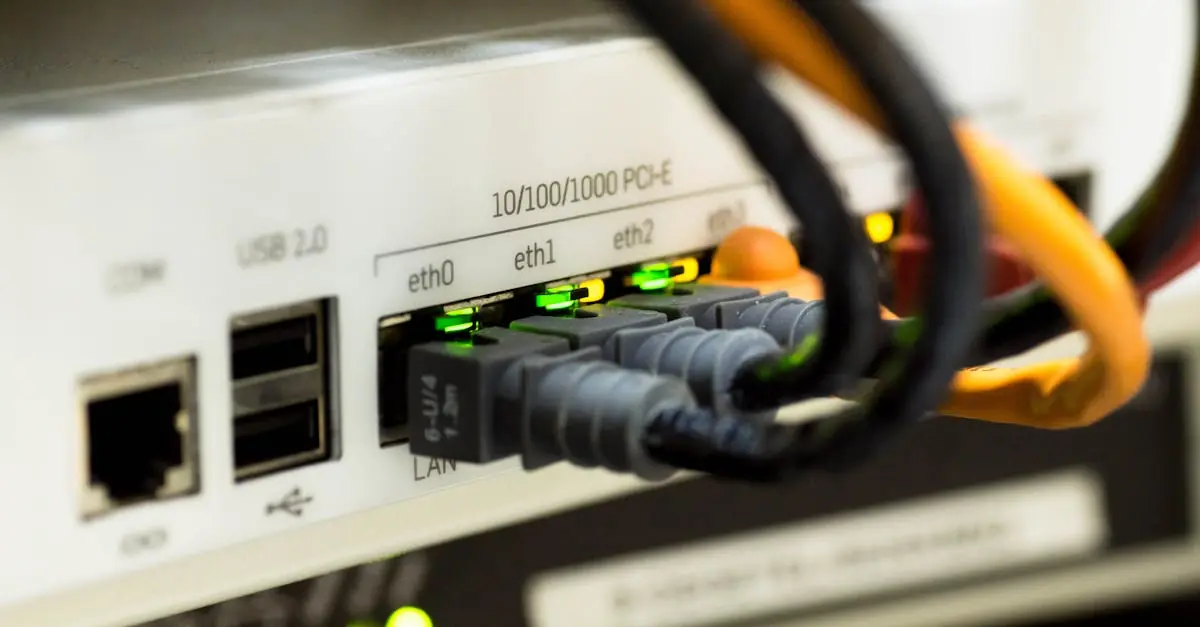
In a world where your toaster can chat with your fridge, the Internet of Things (IoT) has transformed everyday appliances into smart companions. But while it’s great to have a coffee maker that knows your morning routine, this digital convenience comes with a hefty side of security concerns. Imagine your smart vacuum cleaner getting hacked and starting an impromptu dance party—fun for a moment, but not so much when it spills your secrets to the world.
As IoT devices proliferate, they become prime targets for cybercriminals. With hackers lurking behind every digital corner, understanding the risks is crucial. From data breaches to privacy invasions, the stakes are higher than ever. So buckle up as we dive into the quirky yet vital world of IoT security concerns, where laughter meets the serious business of protecting your smart home.
Table of Contents
ToggleOverview of IoT Security Concerns
IoT devices often operate without robust security measures. It’s common for manufacturers to prioritize convenience over security, leading to vulnerabilities. These vulnerabilities create significant risks, exposing sensitive data to unauthorized access. Breaches can occur through unprotected networks, compromising personal information. Data leaks frequently lead to identity theft, affecting individuals and businesses alike.
Echoing this issue, smart home devices present unique challenges. Cameras, smart locks, and thermostats connect to the internet, enabling remote control. Hackers can exploit weak passwords or outdated software to gain access. Once infiltrated, cybercriminals can manipulate devices, posing threats to personal safety.
Moreover, an increase in connected devices elevates overall network vulnerability. Each additional device expands the attack surface, providing more entry points for attackers. The interconnected nature of IoT means that one compromised device can jeopardize an entire network. Organizations need to implement strong security protocols to safeguard their IoT ecosystems.
Ultimately, privacy concerns amplify the need for security in IoT. Many devices collect user data for functionality, raising the stakes for data protection. Users often remain unaware of how their information is utilized or stored. Cybercriminals can exploit this lack of transparency, making it crucial for manufacturers to address privacy issues.
Regulating IoT security presents its own challenges. Policies and standards lag behind technology advancements, leaving gaps in protection. Compliance becomes a necessity, with guidelines needed to enforce best practices. By adopting comprehensive security strategies, users and manufacturers can mitigate the risks associated with IoT devices.
Common IoT Security Vulnerabilities
IoT devices face a range of security vulnerabilities that can significantly undermine their effectiveness and user trust. Understanding these vulnerabilities is essential for implementing effective security measures.
Device Authentication Issues
Weak device authentication poses a major risk in IoT environments. Many devices lack proper authentication, allowing unauthorized users to gain access effortlessly. Default usernames and passwords often go unchanged by users, creating easy entry points for hackers. Furthermore, the absence of multi-factor authentication systems compounds this problem, leaving devices susceptible to breaches. Some manufacturers prioritize convenience over security, which can lead to serious vulnerabilities.
Data Encryption Gaps
Inadequate data encryption constitutes another critical concern for IoT devices. Data transmission often occurs without sufficient encryption, making it easier for cybercriminals to intercept sensitive information. Many IoT devices do not utilize encryption protocols that safeguard data during transit or at rest. This lack of protection exposes users to risks like identity theft and confidential data breaches. Users expect their data to be secure, yet insufficient encryption measures frequently compromise their privacy and security.
Impact of IoT Security Breaches
IoT security breaches significantly affect individuals and organizations. They create vulnerabilities that directly impact personal and financial well-being.
Privacy Violations
Privacy violations often result from unauthorized access to IoT devices. Many smart appliances collect sensitive data without user consent, leaving networks exposed. Hackers can exploit these devices, leading to personal information leaks. For example, compromised security cameras might livestream users’ homes without their knowledge. The lack of transparency increases the risk of misuse of personal data, undermining users’ trust. Data collected is often stored inadequately, making it easier for cybercriminals to access. Ultimately, such breaches highlight the urgent need for improved security measures in IoT ecosystems.
Financial Implications
Financial implications arise from the costs associated with IoT security breaches. Businesses face direct losses from theft of data and intellectual property. According to recent studies, remediation after a breach can cost organizations an average of $3.86 million. Additionally, customer trust erodes, leading to decreased sales and long-term revenue impacts. Individuals may also incur expenses related to identity theft, with recovery efforts proving financially burdensome. Cyber insurance premiums can increase as companies seek to mitigate risks. Overall, these financial risks emphasize the necessity for robust security frameworks around IoT devices.
Best Practices for Enhancing IoT Security
To enhance IoT security, adopting best practices is essential. Focusing on these strategies helps reduce vulnerabilities and improve overall safety.
Regular Software Updates
Regular software updates are crucial for maintaining strong security. Outdated software often contains vulnerabilities that cybercriminals exploit. Many IoT manufacturers release updates to patch known security flaws. These updates strengthen device defenses against potential threats. Users must enable automatic updates or check for updates frequently. Ignoring this step leaves devices exposed to attacks. Prioritizing timely updates protects sensitive data and reduces risks associated with breaches.
User Awareness and Education
User awareness and education play a significant role in IoT security. Understanding potential risks empowers users to make informed decisions. Many individuals may not realize the importance of strong passwords or enabling security features. Educating users about using unique, complex passwords can prevent unauthorized access significantly. Training users on recognizing phishing attempts and suspicious activity is also essential. Creating a culture of security awareness within households and organizations enhances overall safety. Prioritizing education can reduce the likelihood of security breaches and privacy violations.
Future Trends in IoT Security
The landscape of IoT security continues to evolve, driven by advancements in technology and regulatory changes.
Emerging Technologies
Innovations such as artificial intelligence and machine learning are shaping the future of IoT security. Enhanced threat detection systems utilize these technologies to identify potential breaches in real time. Such systems analyze vast data sets, recognizing patterns that signify unauthorized access. Blockchain also offers promising solutions for enhancing security through decentralized data management. Its design helps ensure data integrity, making it difficult for cybercriminals to manipulate information. On-device processing and edge computing minimize risks by reducing data transmission to cloud services. Secure ecosystems will emerge, where devices communicate safely while minimizing external threats.
Regulatory Considerations
In recent years, policymakers have recognized the urgent need for updated regulations addressing IoT security. Existing frameworks often lack the specificity to tackle emerging threats, prompting discussions on compliance guidelines. Mandates for stronger security protocols and privacy standards are expected to gain traction as IoT adoption increases. Organizations may face penalties for non-compliance, which would drive the prioritization of robust security measures. Collaboration between governments and industry leaders fosters a unified approach to security issues. Data protection laws will likely expand to explicitly include IoT devices, ensuring manufacturers create and maintain secure systems, thereby protecting consumer privacy.
The security challenges posed by IoT devices are significant and multifaceted. As smart technology continues to evolve and integrate into daily life, the need for robust security measures becomes increasingly critical. Individuals and organizations must remain vigilant in addressing vulnerabilities and prioritizing data protection.
By adopting best practices and staying informed about emerging threats, users can better safeguard their personal information and devices. The collaboration between manufacturers, policymakers, and users is essential in creating a secure IoT landscape. With proactive measures and a commitment to security, the benefits of IoT can be enjoyed without compromising safety.