Image source: https://www.pexels.com/photo/interior-of-a-casino-24643920/
What makes a slot game feel comfortable during longer sessions?
Mostly, it comes down to how easy it is to stay focused without feeling mentally tired. A comfortable slot keeps the pace readable, the screen clear, and the controls simple enough that nothing pulls attention away from the play itself. Small design choices add up fast when someone stays on one screen for a long time.
Comfort also depends on how much strain the game puts on the eyes and attention. Strong contrast, clear symbols, and steady motion help a player settle into a rhythm. When those pieces work together, the experience feels calm rather than exhausting.
Table of Contents
ToggleVisual Design That Reduces Strain
Visual comfort starts with restraint, because busy screens wear people out faster.
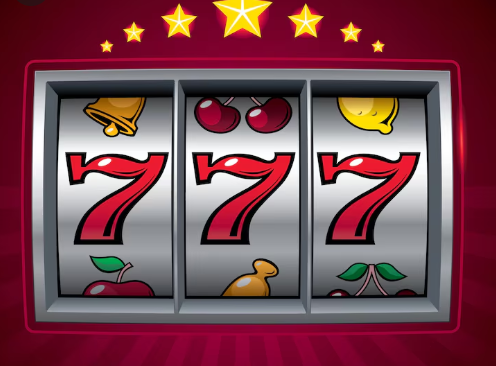
A clean layout helps the eye know where to look without scanning too much. Symbols that are distinct from each other reduce confusion, while readable numbers and labels make balance checks quick. Soft motion also matters, since constant flashing or rapid scene changes can make long play feel tiring.
Color balance plays a part too. Bright tones can work well if they are used with care, but harsh contrast across the whole screen can become tiring after a while. Backgrounds that stay out of the way allow the main action to remain clear, which helps the mind relax into the session.
For players who like calm presentation, even the arrangement of buttons matters. A layout that keeps spin, balance, and pay information in predictable places reduces small moments of friction. That kind of consistency makes a slot easier to follow over time.
Sound And Motion That Stay Comfortable
Audio and animation shape the pace of the session as much as visuals do.
Sound effects that are crisp but not overly loud help maintain a steady feel. Repeated harsh sounds can become tiring, while balanced audio keeps attention from feeling pushed around. Background music works best when it supports the mood without demanding constant focus.
Animation speed also affects comfort. Fast pops and constant camera movement can make a session feel rushed, while smoother transitions give the eye a little rest between spins. That pacing matters because longer sessions are easier to enjoy when the screen never feels chaotic.
Some players prefer game options that let them lower sound or reduce motion. Those settings give more control over how much stimulation the game delivers, which can make a long stretch feel far easier to handle. A well-tuned audio-visual setup keeps energy steady instead of spiking and fading.
Controls And Information That Stay Clear
Comfort improves when the player can understand the game without extra effort.
Buttons should respond quickly and sit where the hand expects them. A spin control that is easy to reach removes small annoyances that can add up over time. Clear displays for balance, bet size, and win amounts also help, because the player does not need to stop and search for basic information.
Readability matters even more during longer sessions, since tired eyes notice clutter faster. Large enough text, simple labels, and direct menus keep the interface calm. If a game hides common actions behind too many screens, the session starts to feel like work instead of play.
A steady pace is also tied to control feedback. When the game responds in a predictable way, the player feels less mental load from each action. That predictability helps the whole session feel smoother from start to finish.
Pacing And Session Flow
The best long-session comfort often comes from a pace that feels even.
Slots that avoid constant interruptions tend to feel easier to stay with. Frequent pop-ups, long reward screens, or sudden changes in rhythm can break concentration. A cleaner flow keeps the player in a relaxed state because the game keeps moving without excessive noise.
Session comfort also depends on how wins and losses are presented. Clear feedback is easier to process than dramatic effects that stretch each result out too long. A measured pace gives the player room to react without feeling rushed, and that helps the session remain steady.
Even small pauses can help when they are not overused. Brief breathing room between rounds gives the eyes a moment to reset. That kind of pacing makes the game feel less demanding, especially during extended play.
Personal Comfort And Player Control
Comfort rises when the game gives the player room to set a personal rhythm.
Session length feels easier to manage when a game supports flexible play instead of pushing nonstop action. The ability to adjust sound, motion, and pacing lets each player match the experience to their own attention span. That control is especially useful during longer stretches, since comfort is never the same for everyone.
Memory also matters more than people expect. A game that keeps rules, symbols, and bonus patterns consistent reduces the need to relearn details every few minutes. Familiar structure lowers mental effort, and lower effort is what keeps a long session feeling pleasant instead of draining.
In the end, comfort is built from calm visuals, balanced audio, clear controls, and predictable flow. Those elements keep attention steady and make extended play feel easier to settle into.