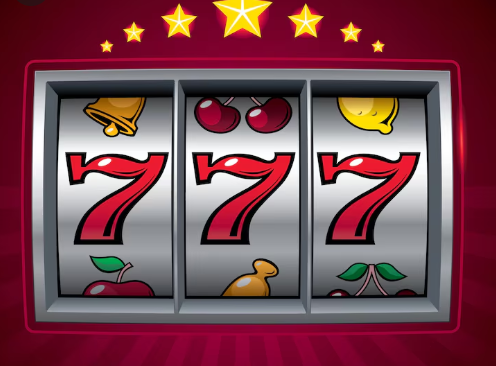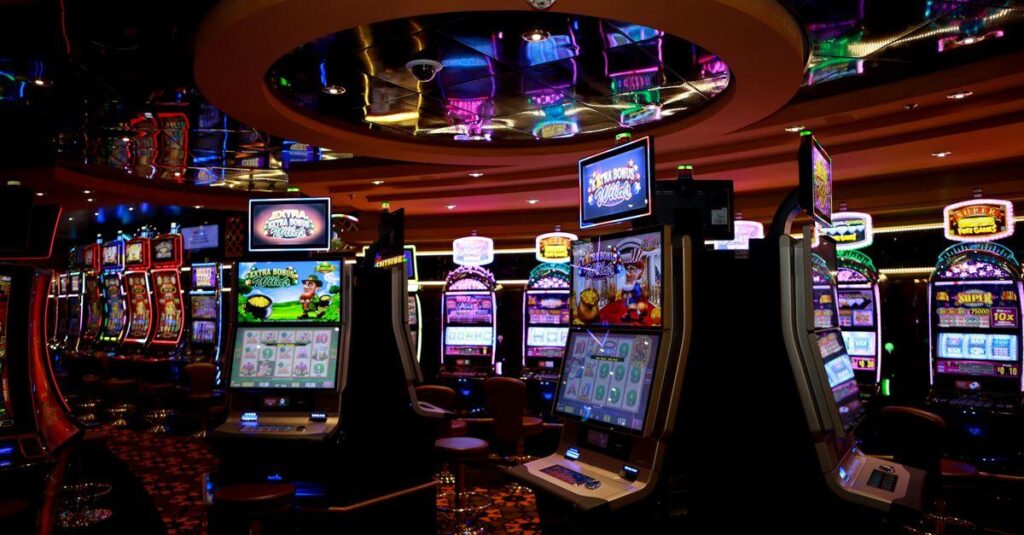

Slot gaming has changed significantly since the introduction of early mechanical machines. Traditional slots were built around physical reels, a small collection of symbols, and straightforward payout lines. Their appeal came partly from their simplicity, but their physical construction restricted what designers could create.
Digital technology has removed many of those limitations. Modern slot games can feature animated worlds, responsive sound, changing reel layouts, interactive bonus sequences, and mobile-friendly controls. Although spinning reels remain the defining element, almost every part of the surrounding experience has been redesigned.
Table of Contents
ToggleThe Shift from Mechanical to Digital Reels
Early slot machines used gears, springs, and physical reel strips. Each reel could carry only a limited number of symbols, which restricted the number of possible visual combinations. Adding new mechanics usually required substantial changes to the machine itself.
Video slots replaced physical reels with digital representations. This gave developers the freedom to use additional rows, unconventional grids, animated symbols, and multiple game modes within one title.
A digital tangan dewa reel can expand, split into sections, or change its symbols during a feature. The screen may also shift into a different environment without requiring another machine. This flexibility has turned the traditional reel grid into an adaptable design space.
Random Number Generation
Random number generation is central to contemporary slot gaming. A random number generator, commonly known as an RNG, continuously produces sequences of numbers. When a spin begins, the software uses one of those numbers to determine the outcome.
The movement of the digital reels presents the selected result visually. Dramatic pauses, changing speeds, or symbols stopping close to a particular combination do not mean the outcome is still being calculated. These effects are part of the game’s presentation.
RNG systems allow developers to support more combinations than conventional mechanical reel strips. However, they do not make outcomes predictable. Each result remains governed by the programmed chance system.
New Ways to Organise the Reels
Innovation has encouraged designers to experiment with alternatives to fixed paylines. While traditional formats remain popular, modern games may use more dynamic structures.
Cascading Systems
Symbols involved in a qualifying result disappear and are replaced by new symbols. This can produce a sequence of changes from one initial spin.
Expanding Grids
Additional rows or columns may appear during a special feature. The changing grid provides a clear visual signal that the game has entered another mode.
Cluster-Based Combinations
Matching symbols form groups across the grid instead of appearing along fixed lines. This approach changes how results are displayed and interpreted.
Transforming Symbols
Under defined conditions, standard symbols may change into special or matching symbols. Animation helps communicate the transformation and its effect on the reel area.
These mechanics create variety, but clear explanations remain essential. Players should be able to understand how a feature begins and what its symbols represent.
The Importance of Themed Design
Technology has transformed themes from surface decoration into complete audiovisual environments. Developers can coordinate symbol artwork, backgrounds, characters, sound effects, music, and bonus mechanics around one concept.
A mythology-themed slot might use temples as backgrounds, legendary objects as symbols, and animated figures to introduce features. A science-fiction game could use electronic interfaces, spacecraft environments, and futuristic sound design.
Consistency gives a theme greater depth. When visual and mechanical elements support one another, the game feels organised rather than assembled from unrelated effects.
Sound and Animation as Information
Animation helps direct attention toward meaningful events. A symbol might enlarge to show that it covers multiple positions, while a changing background may announce the start of a special round. Transitions can also connect the main reels to separate feature screens.
Sound provides another layer of feedback. Short cues can confirm an input, identify a special symbol, or mark the completion of a sequence. Music may change in tempo or intensity during different game states.
These effects are most useful when applied selectively. Constant movement or loud audio can make an interface difficult to interpret. Strong design balances excitement with readability and gives users control over sound settings.
Mobile Gaming and Responsive Interfaces
Smartphones and tablets have made digital slots more widely accessible. Developers must now design games for touch controls, smaller displays, and varying screen orientations.
Responsive interfaces resize buttons, symbols, and text according to the available space. Portrait layouts may support one-handed navigation, while landscape formats can provide additional room for complex reel grids.
Mobile performance is equally important. Detailed graphics must be balanced against loading speed, battery consumption, storage requirements, and device temperature. A visually impressive game will be less engaging if it does not operate smoothly.
Personalisation and Accessibility
Digital platforms can remember preferences such as language, volume, and display settings. They may also offer adjustable text, stronger colour contrast, simplified controls, or reduced animation options.
These features can improve usability for a wider range of players. Personalisation should remain transparent, however, and must not make rules, spending information, or account controls harder to find.
Technology and Responsible Play
Innovation can support responsible engagement as well as entertainment. Digital systems may provide session reminders, spending limits, transaction histories, and temporary access restrictions.
Such tools are important because immersive design can create a strong sense of progress. Collection meters, narrative sequences, and interactive choices should not be mistaken for control over random outcomes. Slot gaming remains chance-based and should be treated as paid entertainment rather than a source of income.
Conclusion
The changing world of slot gaming is shaped by innovation at every level. Digital reels, flexible layouts, themed environments, responsive audio, mobile interfaces, and accessibility options have expanded the traditional format. The most effective innovations improve clarity and variety instead of adding spectacle without purpose. Beneath the animation and interactive features, chance remains the essential principle. Understanding that balance makes it easier to appreciate both the creativity and the limitations of modern slot gaming.